Archives
- 2026-10
- 2026-09
- 2026-08
- 2026-07
- 2026-06
- 2026-05
- 2026-04
- 2026-03
- 2026-02
- 2026-01
- 2025-12
- 2025-11
- 2025-10
- 2025-09
- 2025-03
- 2025-02
- 2025-01
- 2024-12
- 2024-11
- 2024-10
- 2024-09
- 2024-08
- 2024-07
- 2024-06
- 2024-05
- 2024-04
- 2024-03
- 2024-02
- 2024-01
- 2023-12
- 2023-11
- 2023-10
- 2023-09
- 2023-08
- 2023-06
- 2023-05
- 2023-04
- 2023-03
- 2023-02
- 2023-01
- 2022-12
- 2022-11
- 2022-10
- 2022-09
- 2022-08
- 2022-07
- 2022-06
- 2022-05
- 2022-04
- 2022-03
- 2022-02
- 2022-01
While the direct effects of ARI lead to a dramatic
2024-02-23
While the direct effects of 5-ARI lead to a dramatic bicuculline in serum DHT levels, other laboratory values are also affected by 5-ARI use. Serum testosterone elevations are known to occur with both finasteride and dutasteride use, but values will typically remain within the normal laboratory rang
br Experimental procedure br Funding The present study was
2024-02-23
Experimental procedure Funding The present study was supported by the Grant Russian Foundation for basic research (project no. 16-04-01517). Introduction 5-HT, a monoaminergic neurotransmitter, is synthesised from l-tryptophan catalysed by the enzymes tryptophan hydroxylase (Tph) and aroma
The H N mutation in exon has not previously been
2024-02-23
The H373N mutation in exon 6 has not previously been reported [3], [4], [5], [6]; thus, this mutation appears to be a novel mutation. The functional expression study demonstrated that the H373N mutation results in almost complete loss of enzymatic activity. Thus, it is highly likely that the H373N m
br Concluding Remarks and Future Directions The physiologica
2024-02-23
Concluding Remarks and Future Directions The physiological significance of autophagy in neuronal function is steadily emerging. The studies discussed herein reveal that key neuronal functions, such as neurotransmitter release, pruning of dendritic spines, and behavioural outputs of neural network
Aurora A or B selective and pan aurora inhibitors
2024-02-23
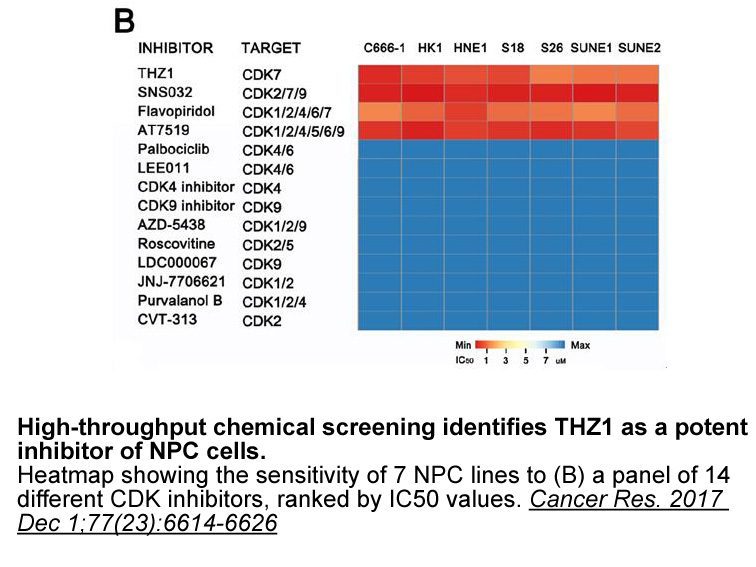
Aurora -A or -B selective and pan-aurora inhibitors have demonstrated different preclinical and clinical therapeutic efficacies [2,[19], [20], [21], [22], [23]]. For example, clinical trials for a pan-Aurora inhibitor VX-680 (developed by Vertex) were halted at phase II for toxicity reasons (one cas
Although the exact mechanisms are not fully
2024-02-23
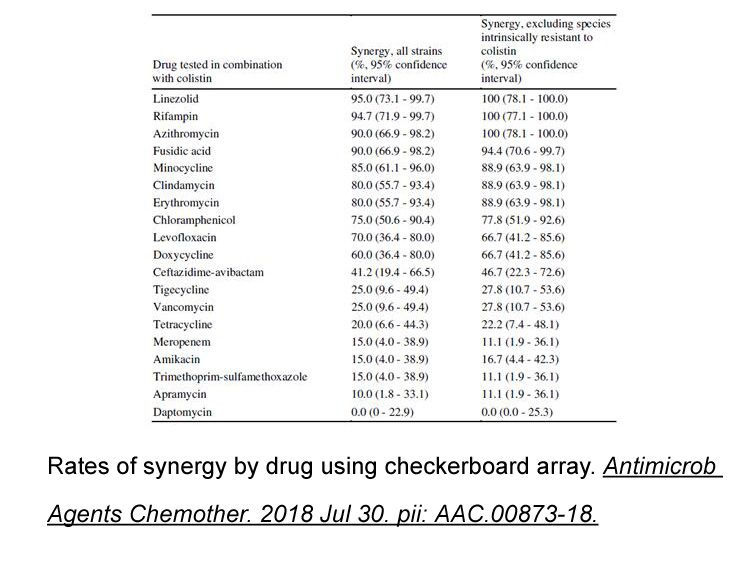
Although the exact mechanisms are not fully understood, IGF-1 is tightly linked with ER and estrogen actions and a crosstalk occurs between these two systems in breast cancer. To illustrate this close relationship, studies have identified a synergy between IGF-1 and estrogen in lorlatinib expressing
The previous reports studied only the apoptosis process in
2024-02-23
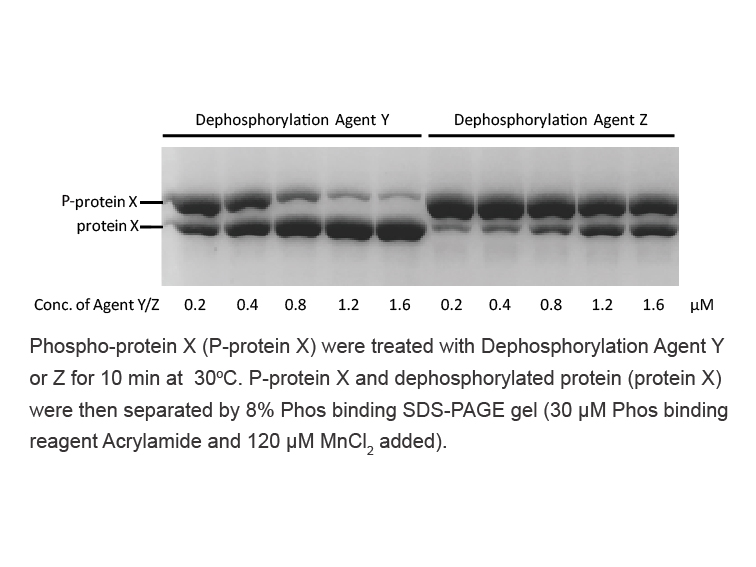
The previous reports studied only the apoptosis process in a single cell. In our case we generalized these models inspired by the results of Albeck et al. (2008) and Raychaudhuri et al. (2008), to study the apoptosis cell death after photodynamic therapy in those areas of the tumor that are not expo
Later on Wayner Burton Ingold Barclay
2024-02-23
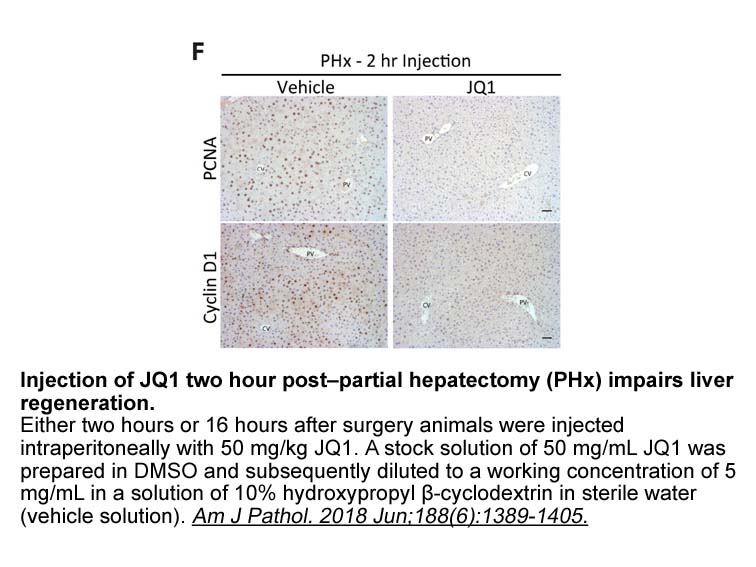
Later on, Wayner, Burton, Ingold, Barclay, and Locke (1987) modified the method by using lipid to examine the ability of an antioxidant MHC class II antigen (45-57) [Homo sapiens] protect against lipid peroxidation generated by azo-compound. It was later improved using β-phycoerythrin (β-PE) as a f
br Conclusion br Acknowledgments and disclosure
2024-02-22

Conclusion Acknowledgments and disclosure We thank Ms. Crystal Wylie for her help in the preparation of the manuscript. The development of the database upon which analyses of this study were dependent was supported by PO1 DC 00161 from the National Institute on Deafness and Other Communication
Aggregated A species have been
2024-02-22

Aggregated Aβ species have been studied by an array of biophysical techniques, including atomic force microscopy (AFM) [55], transmission electron microscopy (TEM) [56], [57], X-ray diffraction [58], Fourier transform infrared (FTIR) [59], [60], circular dichroism (CD) [61], and nuclear magnetic res
Overexpression of AR in a transgenic
2024-02-22
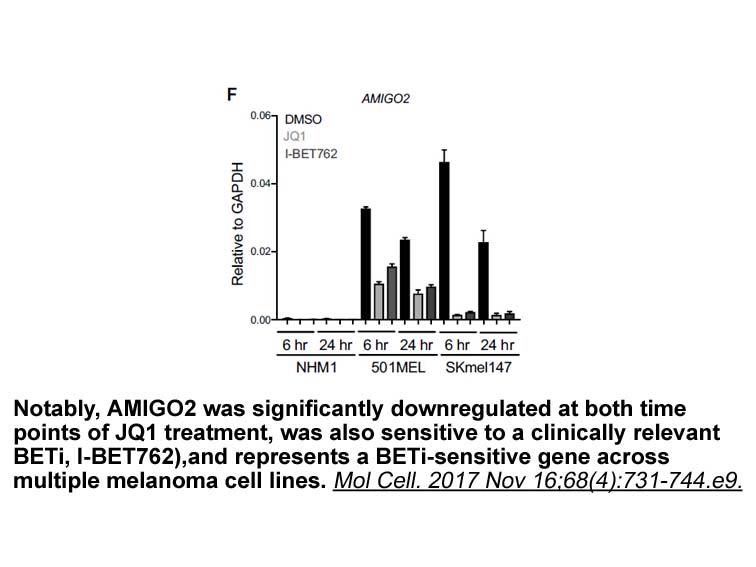
Overexpression of AR in a transgenic mouse model leads to a capsular cataract phenotype involving proliferation and formation of a fibrotic plaque of cells reminiscent of cells at the posterior RepSox in PCO [17]. To investigate the molecular mechanism that could link AR expression to this phenotype
Among all the compounds the novel L derivative d showed
2024-02-22
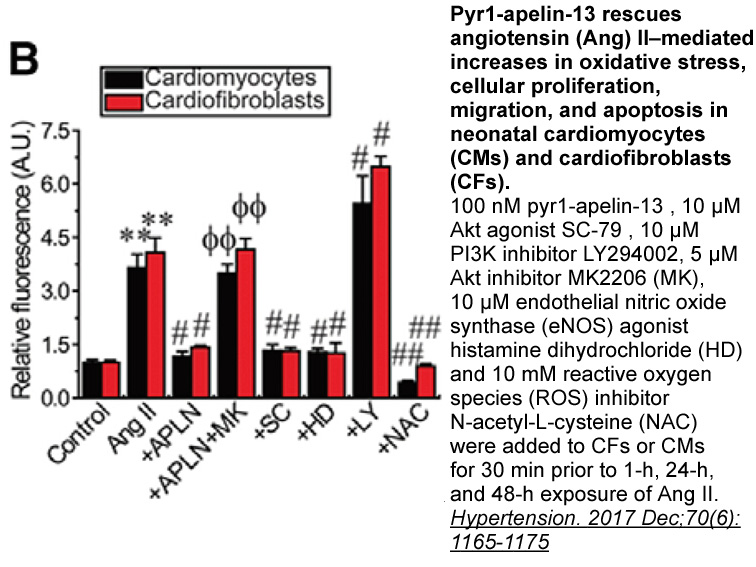
Among all the compounds, the novel L-748,337 derivative (23d) showed the potent human β3-AR antagonist activity and high lipolysis inhibitory activity in vitro. The KB-R7943 mesylate 23d displayed 23-fold more potent β3-AR antagonist activity (EC50 = 0.5117 nM) than that of L-748,337 (EC50 = 11.91
DAergic as well as GABAergic and glutamatergic neurons
2024-02-22
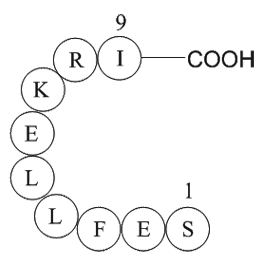
DAergic, as well as GABAergic and glutamatergic neurons, send projections to target forebrain structures, such as the nucleus accumbens (NAc) and medial prefrontal cortex (mPFC), and support diverse functional roles (Carr and Sesack, 2000a, Carr and Sesack, 2000b, Omelchenko and Sesack, 2009, Taylor
Mast cells Mast cells are immune cells of the
2024-02-22
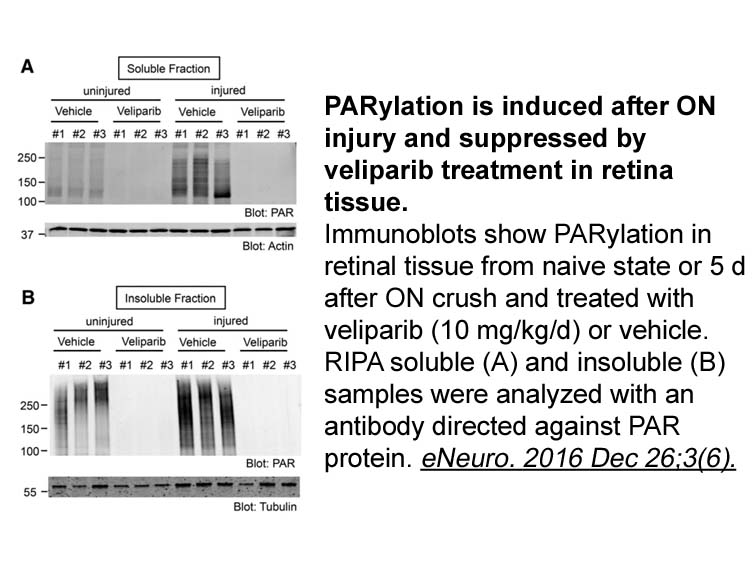
Mast cells. Mast dibromide are immune cells of the myeloid lineage and are ubiquitously present in connective tissues [75]. These cells are involved in the modulation of a number of physiological functions, such as vasodilation, angiogenesis, bacterial, and parasite elimination [75]. Moreover, mast
Several tertiary prevention studies are currently underway e
2024-02-22
Several tertiary prevention studies are currently underway examining the use of dutasteride for prostate cancer treatment: (1) during expectant management of prostate cancer, (2) after radical prostatectomy in men at high risk for relapse, and (3) in men with metastatic disease. The Reduction by Dut
8083 records 231/539 page Previous Next First page 上5页 231232233234235 下5页 Last page